Article Body
What Are the 2025–2030 Dietary Guidelines for Americans?
Eating well doesn’t have to be complicated! The U.S. Departments of Health and Human Services (HHS) and Agriculture (USDA) have released the latest Dietary Guidelines for Americans (DGA). These guidelines help people of all ages make smart food choices. The big message? Eat real food.
What Does “Eat Real Food” Mean?
The new guidelines focus on whole, nutrient-rich foods and encourage us to limit highly processed products. Here’s what that looks like:
-
Fill Your Plate with Whole Foods: Fruits, vegetables, lean proteins, healthy fats, and whole grains.
-
Limit Processed Foods: Avoid foods high in added sugars, sodium, artificial additives, and sweeteners.
Key Highlights from the New Guidelines
-
Protein Matters:
Aim for about 82–109 grams per day for someone who weighs 150 pounds (0.54-0.73 grams per pound). Include a variety of sources like:
-
-
Meat, poultry, seafood
-
-
-
Eggs, beans, nuts, seeds
-
-
Healthy Fats:
Eat healthy fats from foods like:
-
-
Avocados, nuts, seeds, olives, seafood, dairy
-
-
Cut Back on Added Sugars:
-
-
Children under 10: No added sugars
-
-
-
Everyone else: Keep it under 10 grams per meal
-
-
Fruits & Vegetables Are a Must:
-
-
Enjoy a mix of colorful fruits and vegetables every day:
-
-
-
-
Vegetables: about 3 servings per day
-
-
-
-
-
Fruits: about 2 servings per day
-
-
-
-
You can choose fresh, frozen, or canned (without added sugar).
-
-
Choose Whole Grains:
Swap refined carbs for whole grains whenever possible. Choose foods like: brown rice, oats, whole wheat bread or pasta.
 Easy Tips for Families
Want to put these guidelines into action? Try these simple swaps:
-
-
-
-
-
-
- Snack Smart: Swap chips for apple slices with peanut butter.
-
-
-
-
-
-
-
-
-
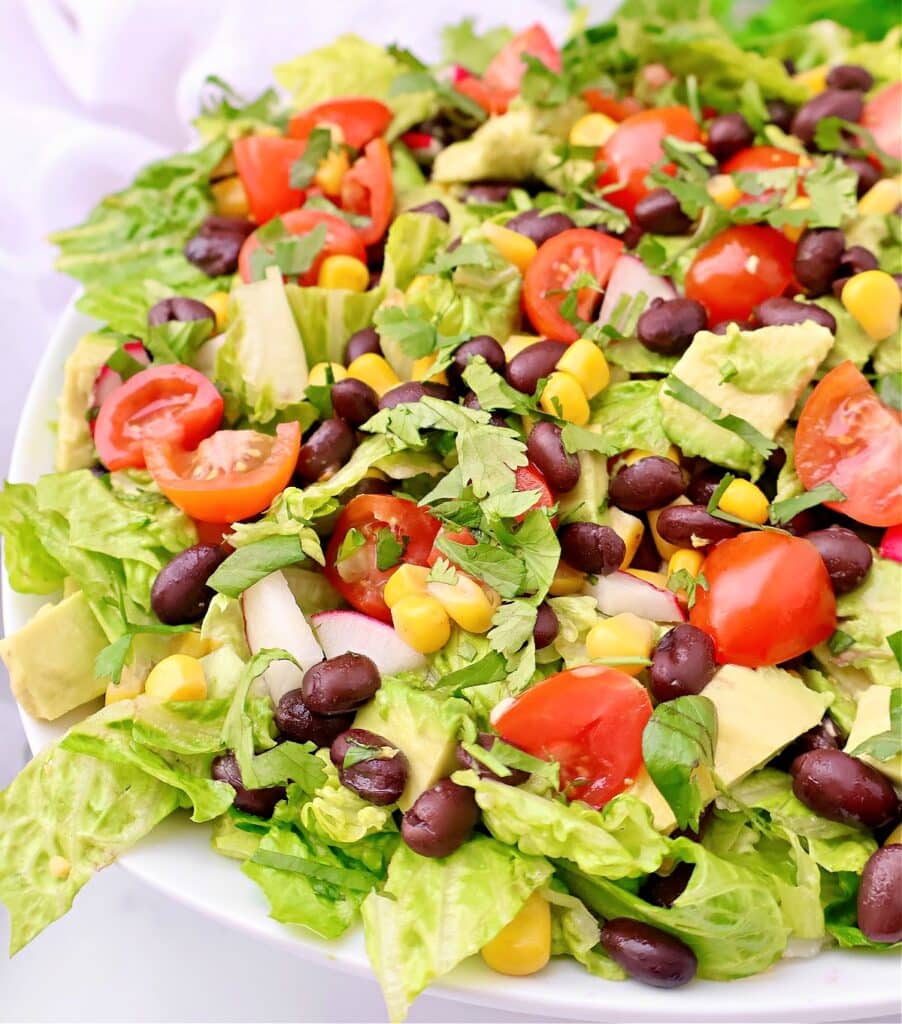
Protein Boost: Add beans to soups or salads for extra protein.
-
-
-
-
-
-
-
Whole Grain Upgrade: Choose whole wheat bread instead of white.
-
-
-
-
-
-
-
-
Healthy Fats: Sprinkle nuts or seeds on yogurt or oatmeal.
-
-
-
-
-
-
-
-
-
Sweet Treats: Try fresh fruit instead of sugary desserts.
-
-
-
-
The Bottom Line
Healthy eating starts with real food. By focusing on whole foods and limiting added sugars and processed items, you’re setting your family up for success. Small changes can make a big difference!
For more details, visit DietaryGuidelines.gov